
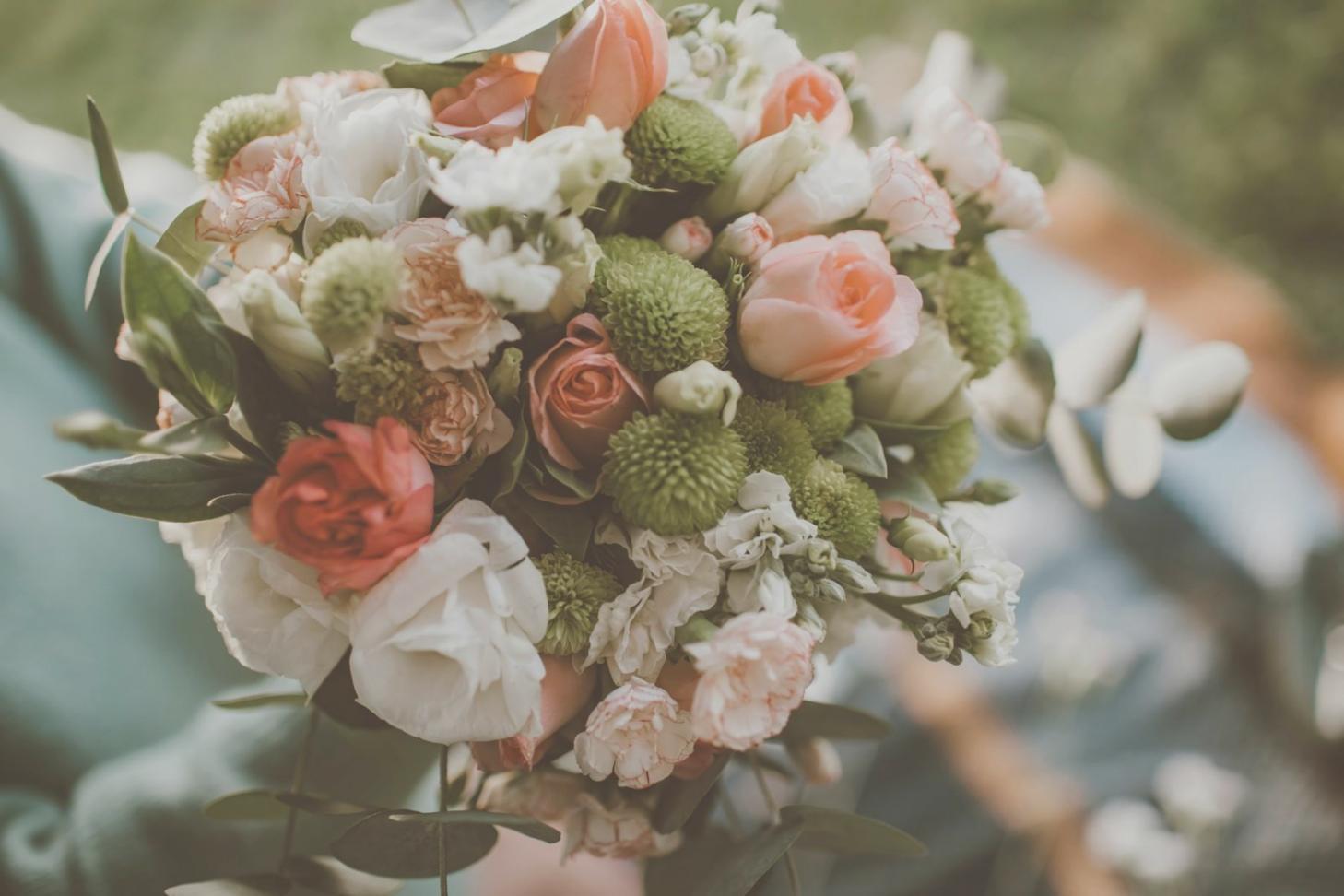
Wedding Floristry Intermediate / Practicing Florist 12 min

Wedding Floristry at a Professional Level

Advanced floral arrangement is a discipline where composition, material knowledge, and timing all converge. This program at Cunaro Drelix gives you a structured path through that complexity, with each stage building on the last.

View All Programs Our Services
Wedding Floristry at a Professional Level - floral arrangement program

About This Program

Wedding floristry is technically demanding. A bridal bouquet that holds its shape for 8 hours, a ceremony arch that survives outdoor humidity, a table garland that does not collapse mid-reception - these results depend on specific knowledge, not intuition.

What this program covers

The course focuses on construction logic: armature building, water-source mechanics for cut flowers, and weight distribution in hanging installations. You will work with materials like chicken wire, floral foam alternatives, and magnetic tape - tools that professional wedding florists use daily but rarely explain in beginner courses.

Flower conditioning and timing

One of the most common problems in wedding work is premature wilting. We spend two full sessions on conditioning protocols - how long different varieties need in water before arrangement, at what temperatures, and which combinations accelerate decay. Peonies, garden roses, and ranunculus each behave differently and require separate handling.

Design consistency across a full wedding

A wedding order typically includes a bridal bouquet, bridesmaids pieces, buttonholes, ceremony decor, and reception centerpieces. Maintaining visual coherence across all of these while managing time and budget is a practical skill. The program includes a full mock wedding project where you plan and execute all elements within a set cost limit.

Who benefits most

Florists with at least one year of hands-on experience who have taken on or want to take on wedding clients. This is not an introductory course - prior knowledge of basic wiring, taping, and flower identification is assumed.

Program Structure

01

Foundations & Principles

Where every arrangement begins

  1. Module 1 - Construction fundamentals: armatures, frames, and structural logic for large arrangements

  2. Module 2 - Flower conditioning: variety-specific protocols, temperature management, and storage

  3. Module 3 - Cascading and hand-tied bouquets: tension, spiral technique, and finishing

  4. Module 4 - Ceremony installations: arches, chuppahs, and ceremony backdrops

  5. Module 5 - Reception floristry: garlands, centerpieces, and table design logic

  6. Module 6 - Full mock wedding project: planning, budgeting, and execution under time constraints

  7. Module 7 - Client communication: reading briefs, presenting proposals, and managing changes

02

Technique in Practice

Hands-on application of core methods

Each session focuses on a specific technique - from structural wiring to seasonal foliage pairing. Students work through real briefs, not abstract exercises, so the learning connects directly to professional situations.

Feedback is given on composition balance, proportion, and the logic behind material choices rather than purely aesthetic preference.

03

Independent Work & Review

Consolidating what you have learned

The final stage asks students to complete an independent arrangement project using the methods covered throughout the program. This is not a test - it is a chance to see where your instincts now sit relative to where they started.

A structured review session follows, covering what worked, what to develop further, and practical next steps for continued growth in floral design.

Back to All Programs Back to Top