
About This Program
Seasonal floristry is a discipline with real economic logic. Flowers that are in season cost less, last longer, and look more coherent together - but working seasonally requires planning months ahead.
Supplier relationships and sourcing strategy
This course starts where most floristry programs do not: procurement. We look at how to build reliable relationships with local growers, what questions to ask when visiting a flower farm, and how to negotiate pricing for recurring orders. Knowing what will be available in April before January ends changes how you design and price your work.
Arrangement styles that move at markets
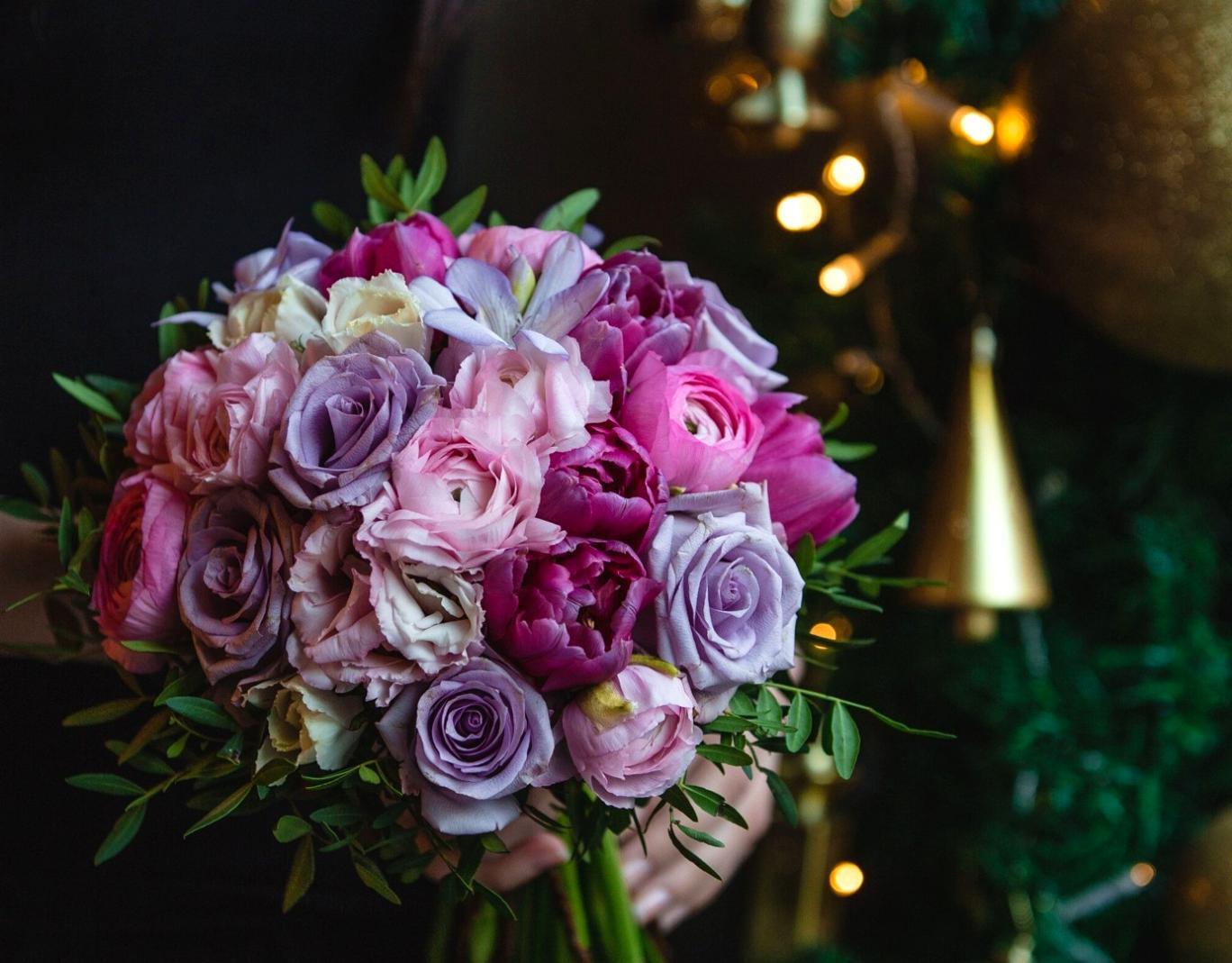
Market floristry has specific constraints - arrangements need to travel well, hold without water for several hours, and appeal to buyers making quick decisions. The course covers wrapped bouquet construction, hand-tied market bunches, and simple seasonal posies, with attention to how color palette and stem variety affect perceived value at different price points.
Studio order workflow
Taking custom orders alongside market work requires a different operational approach. We cover order intake systems, deposit structures, and how to photograph your work consistently for social media without expensive equipment. A phone, a plain wall, and correct natural light produce usable images.
Planning a seasonal calendar
The final section of the program is a planning workshop: you build a 12-month sourcing and design calendar based on your local climate and market schedule. This is practical, specific work - not a template exercise.